
Line and Edge
Soft controlled painted edges define shapes without harsh outlines, keeping faces, hands, and props readable in every panel.
Watercolor
Watercolor AI comic style uses transparent layered washes, natural pigment bleeding, and fine paper texture to create tender, reflective panels. Its soft controlled edges keep faces, hands, and props clear while letting the paint bloom naturally.
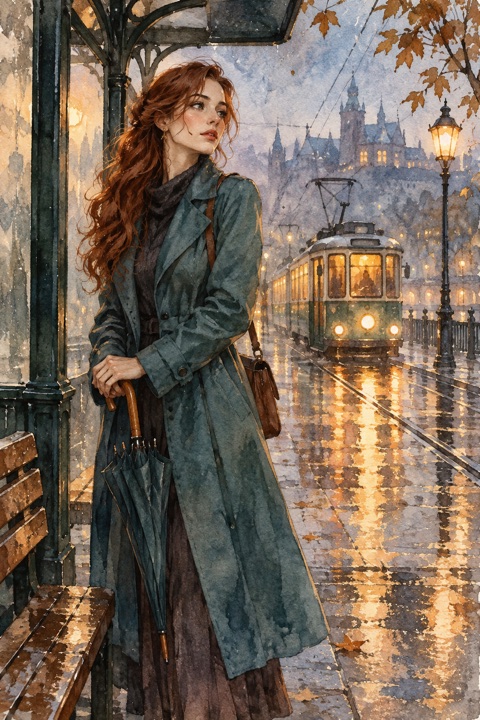
Soft controlled painted edges define shapes without harsh outlines, keeping faces, hands, and props readable in every panel.
Transparent layered washes build color gradually and preserve original color relationships; natural pigment bleeding adds a gentle, organic finish.
Luminous paper highlights and fine paper texture create a soft, airy feel, especially in bright or nostalgic scenes.
Character identity stays clear through consistent facial features, and backgrounds are simplified but readable to support the narrative.
The gentle washes and natural blooms suit quiet everyday moments like cooking, walking, or window-side conversations, making small gestures feel emotional.
Paper texture and soft light reinforce a sense of time and nostalgia, ideal for flashbacks, childhood friendships, or farewells.
When a story needs a dreamy but grounded feel, such as garden spirits or dream sequences, watercolor keeps the tone light and believable.
It is less suited to fast action, sharp special effects, or high-contrast battle scenes; the soft washes can weaken tension and impact. Very dense mechanical or sci-fi details may also lose clarity due to pigment bleeding.
Watercolor excels at inner emotion, so place characters near windows, on quiet streets, or in natural light, and let eyes, hands, and small gestures carry the story.
Rain, wind, flowers, or water stains align with the style's bleeding effect, creating a unified atmosphere without extra explanation.
A short, slowed-down memory or sensory pause before a turning point gives the transparent washes more room to layer, deepening the emotional impact.
It is a comic style that uses transparent layered washes, natural pigment bleeding, and fine paper texture to create tender, reflective panels with soft but controlled edges.
It suits slice-of-life, healing, coming-of-age, memory, and light fantasy stories that focus on mood and character emotion, rather than high-contrast action.
Yes. The style is locked per work, so all panels follow the same watercolor look; characters are reused via character cards and reference images to stay consistent.
That is the natural pigment bleeding effect kept from real watercolor, giving panels a softer, hand-painted feel while main subjects remain clear.